
 Karl Hughes
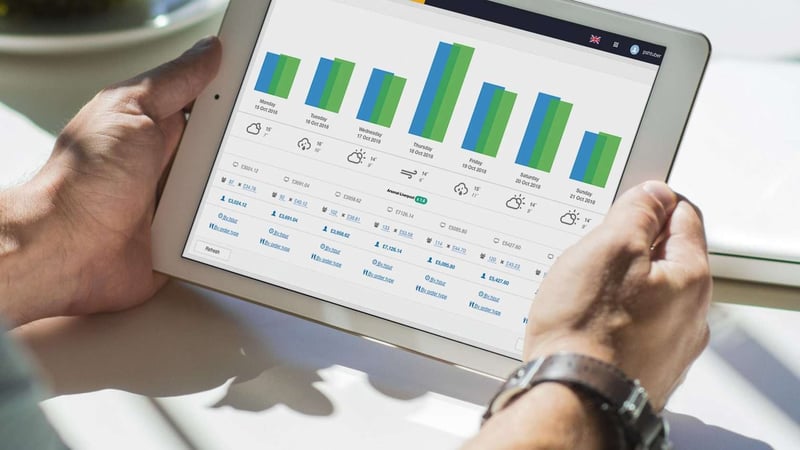
Running a successful restaurant requires more than good food and service. Operators also need clear financial visibility, accurate inventory control, efficient staff management, reliable forecasting and consistent operating processes. These ten areas have the greatest influence on whether a restaurant can control costs, protect margins and deliver a dependable guest experience.
How do you run a restaurant successfully?
Successful restaurant management depends on controlling costs, monitoring sales and margins, managing stock accurately, forecasting demand, scheduling staff efficiently, standardising processes and maintaining a consistent guest experience. Integrated restaurant technology can support these areas by connecting operational data in one system.
Key Takeaways
- Track sales, costs and margins daily
- Use consistent processes across locations
- Monitor labour and food costs closely
- Compare actual and expected stock usage
- Identify high-margin menu items
- Forecast sales and staffing needs
- Standardise recipes and workflows
- Develop additional sales channels
- Give staff clear schedules and responsibilities
- Reduce friction in ordering and payment
1. Monitor Restaurant Performance
Restaurant operators need a clear, current view of sales, costs and operational performance. Monthly spreadsheets can reveal broad trends, but they may arrive too late to support day-to-day decisions.
Real-time reporting can show daily sales, labour expenditure, inventory movement, voids, discounts and delayed orders. This makes it easier to identify problems early and understand why profit has increased or fallen.
The most useful reports are those that connect financial outcomes with operational activity. Rather than simply showing revenue, they help managers see which services, products and locations are contributing most to performance.
2. Manage Multiple Locations
Managing several restaurants requires consistent visibility across every site. Owners and senior managers cannot be physically present everywhere, so they need reliable access to sales, stock, labour and service information from each location.
A central restaurant management platform can provide consolidated reporting while still allowing managers to review individual sites. This helps leadership teams compare performance, identify unusual results and apply successful practices more consistently.
Remote access should support decision-making rather than replace local management. Each site still needs clear accountability, but shared systems make it easier to maintain common standards across the group.
3. Control Operating Costs
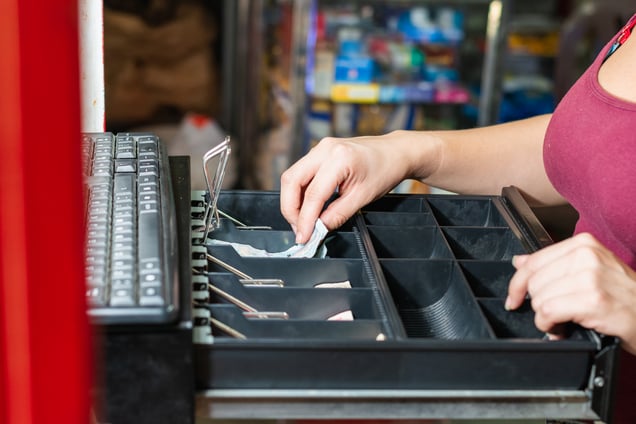
Food and labour are usually among the largest restaurant expenses. Small increases in either can quickly reduce margins, particularly when they are not visible until the end of the month.
Labour costs should be reviewed against hourly or daily sales so that staffing levels can be aligned with demand. Food costs require the same discipline, with close attention paid to supplier prices, recipe costs, portion sizes and waste.
Food cost percentage = food cost ÷ food sales × 100
Labour cost percentage = labour cost ÷ total sales × 100
Monitoring these percentages over time helps operators identify whether cost increases are temporary or part of a wider operational problem.
4. Improve Inventory Management
Inventory management should be based on recorded usage and demand rather than visual estimates alone. Informal ordering can lead to excess stock, ingredient shortages and avoidable waste.
Accurate restaurant inventory tracking connects purchasing, recipes, sales and stock counts. This allows operators to compare how much stock should have been used with what remains in storage.
Inventory variance = actual usage − expected usage
Repeated variance may point to over-portioning, unrecorded waste, delivery errors, inaccurate recipes or theft. Investigating the cause is more useful than simply adjusting the closing figure.
Multi-site operators can also transfer surplus stock between locations where appropriate, helping reduce waste and avoid unnecessary purchasing.
5. Identify Your Most Profitable Items
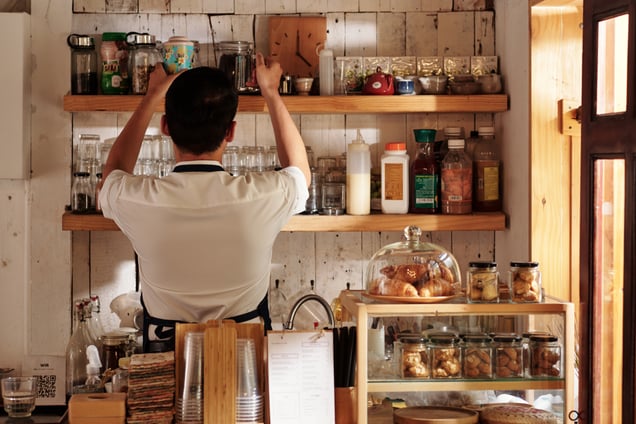
Sales volume alone does not show which dishes contribute most to profit. Operators need to understand both the popularity and contribution margin of each menu item.
Menu engineering helps identify high-demand, high-margin dishes as well as items that sell well but return relatively little profit. This information can guide pricing, menu placement, recipe adjustments and staff recommendations.
Knowing which products perform best also supports stock planning. Ingredients can be prioritised around profitable dishes, while underperforming items can be reviewed, reformulated or removed.
Average spend per guest = total sales ÷ number of guests
6. Forecast Demand Accurately
Forecasting helps restaurants prepare for expected demand using historical sales, reservations, seasonal patterns, local events and weather. It provides a stronger basis for planning than relying on intuition alone.
Restaurant forecasting software can support purchasing, food preparation and staff scheduling by estimating likely demand for upcoming trading periods.
Forecasts will never be exact, but they can reduce overproduction, prevent shortages and improve labour deployment. They should be reviewed regularly and adjusted when actual performance differs from expectations.
7. Standardise Restaurant Processes
Standardised processes help restaurants deliver consistent food and service regardless of who is working or which site a customer visits. Recipes, stock procedures, opening checks and service workflows should be documented and easy to follow.
Digital systems can support this by storing recipes, permissions and operational instructions in one place. Staff can follow the same process for inventory counts, preparation and order handling without relying on informal notes or individual memory.
Standardisation is especially important for multi-site groups because it reduces variation between locations and makes training new employees more straightforward.
8. Create New Revenue Streams
Additional revenue can come from delivery, online ordering, catering, retail products, events and targeted promotions. The right approach depends on the restaurant concept and whether the extra channel can be delivered profitably.
Third-party delivery and social platforms can expand reach, but orders should ideally flow into the main POS and reporting system. Manual re-entry creates extra work and increases the risk of errors.
A restaurant POS system can also support relevant upselling by prompting staff to suggest sides, drinks or upgrades. Customer and sales data can then show which offers increase average spend without harming margins.
9. Improve Staff Management

Staff management involves more than building a rota. Restaurants need clear responsibilities, accurate time records, fair scheduling and an understanding of how labour performance relates to sales.
Restaurant staff management software can give employees access to shifts, availability and requests while helping managers compare labour costs with demand.
Performance data should be used carefully and in context. Attendance, training, guest feedback and service performance can all contribute to a fairer assessment than isolated metrics alone.
Clear communication and predictable processes can reduce frustration, improve retention and support a more consistent guest experience.
10. Improve the Guest Experience
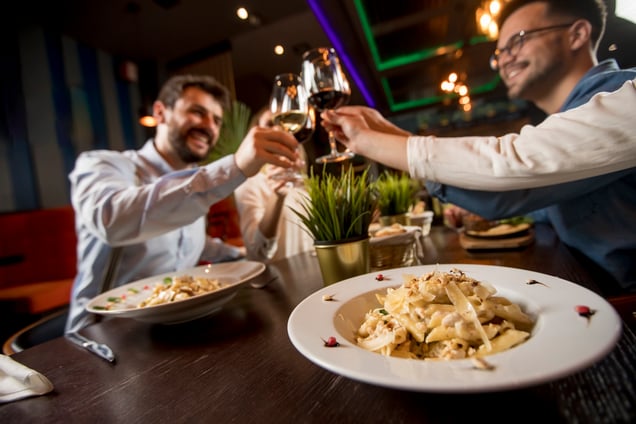
A successful restaurant must deliver a consistent experience from booking through to payment. Customers expect accurate orders, reasonable waiting times, clear communication and a straightforward checkout process.
Technology can reduce friction through table management, handheld ordering, digital menus, contactless payments and flexible bill splitting. Customer profiles and loyalty tools can also support more relevant service for returning guests.
However, technology should support hospitality rather than replace it. The goal is to remove delays and administrative work so that staff can focus more attention on customers.
Build a More Successful Restaurant
Restaurant success is usually the result of consistent control across sales, costs, stock, labour and service. Operators that monitor performance closely, standardise processes and respond quickly to operational problems are better positioned to protect margins and grow sustainably.
Syrve connects POS, inventory, labour, forecasting and reporting in one restaurant management platform. Book a demo to see how it can support more efficient restaurant operations.
Frequently Asked Questions
What makes a restaurant successful?
A successful restaurant combines strong food and service with disciplined control over costs, stock, labour and daily operations. Clear processes, reliable data and a consistent guest experience are all central to long-term performance.
What is the most important part of restaurant management?
No single area works in isolation, but financial and operational visibility is fundamental. Managers need accurate information about sales, margins, labour, inventory and service so they can identify problems and act quickly.
How can a restaurant control costs?
Restaurants can control costs by monitoring food and labour percentages, reviewing supplier prices, reducing waste, improving scheduling and maintaining accurate recipes and portion sizes.
How can restaurant technology improve operations?
Restaurant technology can connect orders, payments, inventory, labour and reporting. This reduces manual work, improves visibility and helps managers make faster decisions using current operational data.
How do restaurants improve inventory accuracy?
Inventory accuracy improves when deliveries, recipes, sales, waste and stock counts are recorded consistently. Comparing expected usage with actual stock levels helps operators identify discrepancies.
How can restaurants improve staff productivity?
Restaurants can improve productivity through demand-based scheduling, clear responsibilities, regular training and simpler workflows. Technology can support these areas by improving communication and reducing repetitive administration.
What causes restaurants to lose money?
Common causes include high labour costs, food waste, inaccurate pricing, poor stock control, low table turnover and operational inconsistency. Small problems can become significant when they continue unnoticed.
How can restaurants improve the guest experience?
Restaurants can improve the guest experience by reducing wait times, maintaining order accuracy, training staff, simplifying payment and using customer information responsibly to provide more relevant service.


.png?width=390&height=240&name=MicrosoftTeams-image%20(75).png)