
 Dale Shelabarger
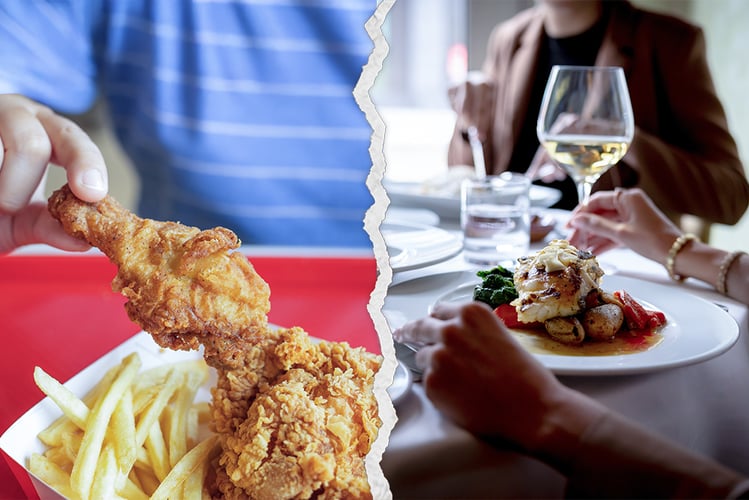
The UK restaurant market is becoming increasingly polarised. Many diners now gravitate either towards affordable convenience or towards premium, experience-led dining, placing growing pressure on operators positioned between the two.
Why is the UK mid-market restaurant sector struggling?
Mid-market restaurants are under pressure because diners increasingly favour either low-cost convenience or premium, experience-led dining. Operators positioned between these two extremes can struggle to offer a sufficiently clear reason to choose them, particularly when costs are rising and consumers are becoming more selective.
What is a mid-market restaurant?
A mid-market restaurant typically offers table service, moderate pricing and a broad-appeal menu. It sits between quick-service value and premium or special-occasion dining.
What Is a Mid-Market Restaurant?
Traditionally, the mid-market was defined by operators positioned between speed-led value and experience-led premium dining.
Combining moderate pricing, broad-appeal menus and accessible table service, these restaurants aimed to offer something better than fast food without the cost or formality of fine dining.
For years, this positioning delivered dependable footfall for brands such as TGI Fridays, Harvester and Pizza Hut. More recently, however, demand has become increasingly polarised as diners either gravitate towards quick-service convenience or trade up to experience-led destinations.
Recent closures among established casual-dining brands illustrate the pressure on this middle ground, but the broader issue is not limited to any one operator. The challenge is that a moderate proposition can be harder to distinguish when consumers are making more deliberate choices about where and how they spend.
Why Is the UK Restaurant Market Polarising?
The shift is being driven by a combination of economic pressure, changing expectations and greater digital transparency.
The cost-of-living crisis has heightened price sensitivity, pushing many diners towards formats that prioritise affordability, speed and predictability. At the same time, discretionary spending has become more selective. When customers decide to spend more, they increasingly expect a distinctive and memorable experience in return.
Takeaway culture, delivery platform normalisation and social media have reinforced this divide. These forces are placing growing pressure on the middle ground, where reasonable pricing and broadly acceptable experiences may no longer provide a sufficiently clear reason to choose one operator over another.
Many diners now respond more strongly to clearly defined value than to a moderate, broadly positioned offer. For operators, that means deciding whether the proposition is built primarily around convenience or around experience.
How Has Restaurant Value Changed?
Value is increasingly defined in two different ways: convenience and experience.
Convenience-led value is based on cost certainty, speed of service and predictability. It is most visible in QSR and food-to-go formats, where simple menus, clear prices and consistent service reduce friction for customers.
Experience-led value sits at the other end of the market. Diners are willing to spend more, but they expect the ambience, service, menu and overall journey to justify the premium.
| Area | Convenience-led value | Experience-led value |
|---|---|---|
| Customer priority | Speed, certainty and affordability | Memorability, quality and service |
| Menu | Simple and standardised | Distinctive and story-led |
| Pricing | Clear tiers and upgrades | Premium pricing with clear justification |
| Service | Fast and frictionless | Attentive and precise |
| Technology | Kiosks, mobile ordering and fast payments | Reservations, CRM and floor management |
| Operational focus | Throughput and cost control | Personalisation and experience consistency |
Operators need to define which version of value they intend to deliver and ensure that pricing, service, menu design and technology all support that position.
How to Deliver Convenience-Led Value
Convenience-driven operators prioritise speed, clarity and control. This depends on several operational priorities.
Simplify the Menu
A focused menu reduces preparation and sourcing complexity, helping to stabilise costs and support more consistent pricing. Menu engineering can then be used to identify which items deserve greater prominence and which add unnecessary complexity.
Use Clear Pricing Logic
Simple price tiers, obvious upgrades and transparent portioning make the value exchange easier for customers to understand. Clear pricing can reduce decision fatigue and reinforce fairness without relying on constant discounting.
Remove Friction
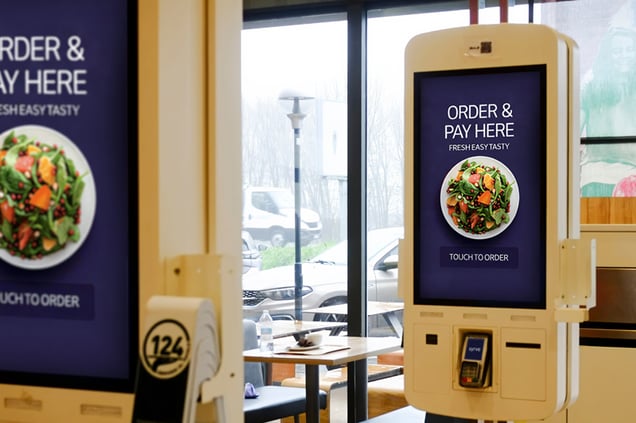
Streamlined ordering, fast service and simple payments support the low-effort experience convenience-led diners expect. This can be delivered through self-service kiosks, QR menus and unified order and payment terminals.
Deliver Consistently
Predictability depends on standardised portion sizes, service times and product quality. Customers in this segment are generally looking for reliability rather than surprise.
Use Speed as a Value Multiplier
Faster ordering, preparation and fulfilment enhances value perception in the convenience-led market. Increased throughput strengthens the proposition when it does not compromise quality.
Protecting a convenience-based proposition requires ongoing discipline. Operational decisions should reinforce speed, clarity and predictability at every stage.

How to Deliver Experience-Led Value
Premium operators need to create a memorable experience that clearly justifies the higher price point. This usually depends on several areas.
Build Menus with Narrative
Sourcing, technique, heritage and provenance can give dishes additional meaning. This turns the menu from a list of products into part of the experience.
Add High-Impact Details
Presentational flourishes, subtle personalisation and a carefully managed atmosphere can improve customer perception without materially increasing operating costs.
Develop Service Depth
Experience-led diners value attentive and knowledgeable staff who can guide, recommend and personalise the interaction. Relevant upselling can also support margins when it improves the guest’s order rather than simply increasing the bill.
Prioritise Service Precision
Where convenience-led service prioritises speed, experience-led operators focus more heavily on pacing, timing and attentive table management. Accurate floor planning and reservation control are therefore important.
Use Controlled Exclusivity
Limited availability, seasonal menus and reservation control can create a stronger sense of occasion. The goal is not to create inconvenience, but to reinforce the distinctiveness of the offer.
Choosing a Clear Market Position
In a polarised market, value is increasingly defined by clarity and consistency as well as price. Operators need to remove uncertainty and deliver exactly what their proposition promises.
For convenience-led restaurants, that means simplicity, service speed and predictability. For experience-led operators, it means distinctive menus, service precision and a memorable customer journey.
Mid-market restaurants do not necessarily need to abandon the middle ground, but they do need to sharpen it. A broad proposition must still communicate a clear reason to choose, supported by operational decisions that make the value visible to customers.
Frequently Asked Questions
What is a mid-market restaurant?
A mid-market restaurant usually offers table service, moderate pricing and a broad-appeal menu. It sits between quick-service value and premium or special-occasion dining.
Why are mid-market restaurants struggling?
Many are under pressure because customers increasingly favour either low-cost convenience or premium experiences. Rising costs and more selective spending make an unclear middle position harder to sustain.
What is restaurant market polarisation?
Restaurant market polarisation is the movement of demand towards two clearer ends of the market: affordable convenience and premium, experience-led dining.
How can mid-market restaurants compete?
They can compete by defining a clearer value proposition, simplifying operations, improving menu focus and ensuring that pricing, service and technology support the chosen position.
What does convenience-led value mean?
Convenience-led value is built around speed, predictability, affordability and low-friction service. Customers expect clear pricing and consistent delivery.
What does experience-led value mean?
Experience-led value is based on memorability, service quality, ambience and a distinctive menu. Customers are willing to pay more when the experience clearly justifies the price.
Should a restaurant compete on price or experience?
The right choice depends on the concept, target customer and operating model. The important point is to make the value proposition clear and align operations with it.
How can technology support either strategy?
Convenience-led operators can use kiosks, mobile ordering and integrated payments to improve speed. Experience-led restaurants can use reservations, CRM, floor management and customer data to support personalisation and service precision.




.png?width=390&height=240&name=MicrosoftTeams-image%20(75).png)